
2nd Khwaja Ata Festival: Rereading Coastal and Maritime Life in Bandar Abbas
The 2nd Khwaja Ata Cultural, Sports, and Tourism Festival was celebrated in December 2023 along the Bandar Abbas shoreline, aimed at revitalizing community ties, safeguarding maritime customs, promoting local crafts, and honoring the collective memory of coastal people.
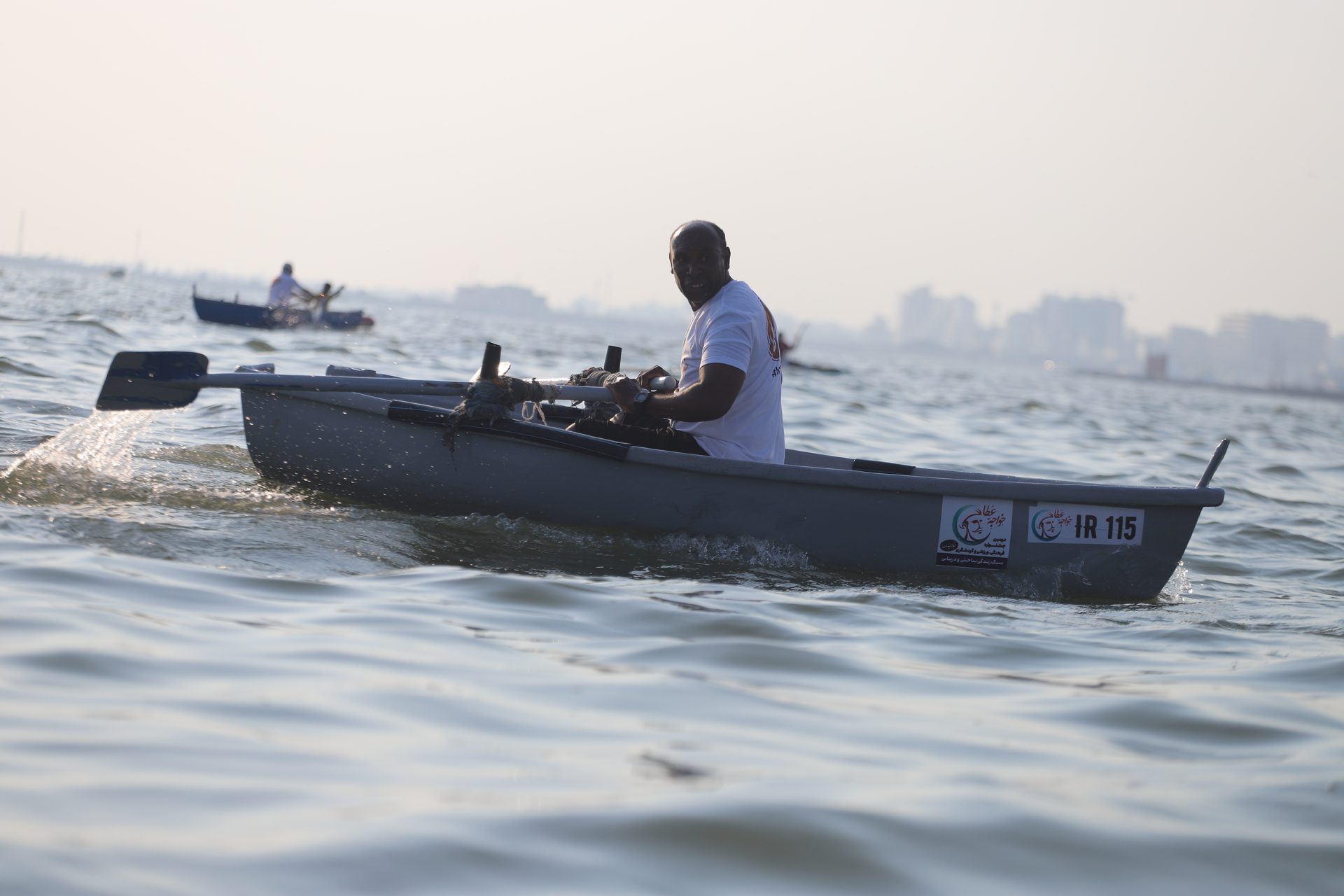
In the opening days of winter 2023 (December 2023), the historic coastline of the Khwaja Ata neighborhood in Bandar Abbas witnessed the vibrant celebration of the 2nd Khwaja Ata Cultural, Sports, and Tourism Festival. Organized through the collaborative initiative of grassroots community advocates, veteran seafarers, neighborhood residents, and specialized cultural heritage organizations, this event represented a vital milestone in reimagining the beach as a dynamic public commons, a space of collective vitality, and an arena for celebrating the authentic seafaring lifestyle of southern Iran.
At a time when rapid urbanization threatened to isolate oral traditions and sever younger generations from the cultural roots of the Persian Gulf, the 2nd Khwaja Ata Festival harnessed direct community participation, creating a powerful wave of cultural self-confidence and heritage awareness across Bandar Abbas and Hormozgan Province.
## Awakening Community Solidarity and Reclaiming Collective Coastal Memory
Khwaja Ata neighborhood has long occupied a revered place in Hormozgan’s collective memory as a historic bastion of maritime navigation, artisanal fishing, and community mutual aid. Staging the 2nd festival in this historic setting provided a welcoming space where retired sea captains (Nakhodas), veteran sailors, and matriarchs of oral folklore gathered alongside youth and children.
Oral history sessions led by veteran seafarers recounting perilous oceanic journeys on wooden sailing vessels (Lenj), explaining celestial navigation by night constellations, introducing endangered dialect terms of the fishing trade, and sharing lore of the waves formed the emotional heart of the festival. These intimate storytelling circles surrounding wooden skiffs offered an exemplary model of living oral history preservation.
## Oral Maritime History and Endangered Dialect Lexicography
A distinguished academic outcome of the 2nd festival was the field documentation of hundreds of traditional seafaring words, navigation terms, and coastal proverbs in the indigenous Bandari dialect. Concepts covering seasonal winds (Shomal, Qaws, Sohayli, Na'shi), structural parts of traditional wooden boats (Sokkan, Farman, Daman, Parvaneh, stone anchors), and artisanal fishing terminology were transcribed by HCHCA researchers in direct dialogue with elderly captains.
This linguistic archiving demonstrated that southern Iranian coastal dialects serve as invaluable repositories of ecological intelligence and historical human adaptation to the Persian Gulf.
## Traditional Celestial Navigation and Ancient Seafaring Calendars
The research panels of the festival also explored the traditional astronomical systems utilized by Persian Gulf navigators. Senior captains demonstrated celestial route calculation by tracing constellations on the sand, explaining how they traversed moonless open waters using Polaris (the North Star), the Pleiades (Sorayya), and Canopus (Sohayl).
Exploring the indigenous Nowruz-e Sayyad nautical calendar and rules for predicting monsoon cycles (Ahymer storms) proved that ancestral mariners had engineered a comprehensive empirical framework for safely navigating the vast Indian Ocean.
## Echoes of Ancient Melodies: From Sherveh Chants to the Soulful Ney-Anban
The artistic program of the 2nd Khwaja Ata Festival was a magnificent showcase of authentic southern Iranian music. Folkloric ensembles utilizing traditional instruments—including the Kaser, Dohol, Dohol Gap, Peypeh, and the Arabian-Persian Oud (Barbat)—performed classic work ballads, songs of departure, and joyous coastal wedding tunes.
Masterful performances on the double-reed Ney-Anban bagpipe and Jofti double-pipe inspired rhythmic clapping and joyful cheers from thousands of spectators. A particularly evocative segment was the collective performance of ancestral "Neym-khani" work songs—the rhythmic chants sung by sailors while hauling heavy stone anchors, hoisting main sails, or pulling in massive drag-nets, sustaining their indomitable spirit against the sea.
## Traditional Shore Sports and Athletic Energy on the Sands
The 2nd Khwaja Ata Festival brought athletic energy and physical vitality to the city’s beaches through traditional sports competitions:
- **Beach Sand Footraces**: Testing speed and stamina across challenging sandy terrain.
- **Traditional Dar-Kala and Haft Sang Games**: Reviving cooperative games that were the primary outdoor recreation for southern youth for generations prior to digital screens.
- **Traditional Wooden Canoe Rowing Competitions (Hoori Races)**: Demonstrating aquatic agility and balance as young fishermen paddled against the coastal swells before cheering crowds along the seawall.
These traditional games demonstrated how vernacular sports promote physical well-being, reinforce team solidarity, and deepen local cultural belonging.
To discover the subsequent evolution of this festival series, explore our reports on the [3rd Khwaja Ata Festival (1403)](/en/news/3rd-khwaja-ata-festival-bandar-abbas-1403) and the [4th Khwaja Ata Festival (1404)](/en/news/4th-khwaja-ata-festival-bandar-abbas-1404).
## Women’s Artisanal Pavilions and Vernacular "Kapar" Craft Spaces
A significant achievement of the 2nd festival was dedicating traditional palm-thatch stalls ("Kapar") to local women craft creators and micro-entrepreneurs. In this bustling beachside craft market:
1. **Traditional Textile Arts of Hormozgan**: Master seamstresses conducted live demonstrations of intricate Badlah-dozi embroidery, Khos-dozi metallic thread work, and Kandoreh tunic tailoring.
2. **Handwoven Date-Palm Crafts (Hasir-bafi)**: Displaying functional baskets, woven floor mats, and sun fans made from date palm fronds—a prime example of ecological design.
3. **Healthy Seafood Gastronomy and Traditional Flatbreads**: Live baking of Regag and Tomoshi flatbreads seasoned with mineral Souragh and Mahyaveh fish sauces, delighting hundreds of visiting food enthusiasts.
This market proved essential in honoring the creative labor of southern women and fostering sustainable economic empowerment.
To learn more about HCHCA’s institutional mission and safeguarding framework, visit our [About Us Page](/en/about) and explore our [Interactive Living Heritage Map](/en/map).
## Fisherfolk Solidarity and the Sacred Sea Offering Ritual
A deeply moving spiritual dimension of the 2nd festival was the public reenactment of the ancient "Nazr-e Darya" (Sacred Sea Offering) tradition. Rooted in ancestral maritime beliefs, fishermen traditionally dedicate a portion of their ocean catch to feed vulnerable neighbors, praying for the safe return of offshore sailors and oceanic abundance.
The collective cooking of traditional fish stew in large communal cauldrons on the beach and serving hot meals to visitors fostered profound warmth, generosity, and fraternity across Bandar Abbas.
## Civic Cohesion and the Participatory Safeguarding Model
The 2nd festival demonstrated that the most effective path to safeguarding cultural heritage lies in direct community ownership. Over 40 civic organizations, neighborhood councils, and scholars formed a joint organizing committee, ensuring complete authenticity and preventing commercial distortion.
## A Solid Foundation for Future Heritage Milestones
The resounding success of the 2nd Khwaja Ata Festival laid the essential groundwork for the event’s official national registry inscription in 2024 and its continued expansion into a major regional festival. This experience demonstrated that connecting historical identity with contemporary community life is the true key to sustainable coastal urbanism.
HCHCA extends its heartfelt gratitude to all organizers, maritime elders, artists, and residents of Khwaja Ata who poured their hearts into making this festival an enduring success.
<!-- TODO(owner): Add archive photo gallery credits and veteran oral history interview transcript links for the 2nd festival -->
## Enduring Horizons for Southern Maritime Safeguarding
The 2nd Khwaja Ata Festival planted fertile seeds that continue to nurture maritime heritage initiatives across the Persian Gulf. By uniting academic researchers with veteran sailors and craftspeople, the festival demonstrated how community empowerment preserves the cultural richness of southern Iranian seaboard civilization. This intergenerational commitment ensures that southern Iran’s historic seafaring culture remains vibrant, resilient, and proudly celebrated across future generations. These collaborative activities build lasting cultural resilience and foster international heritage partnerships for decades to come.