
3rd Khwaja Ata Festival: A Living Chronicle of Bandar Abbas Coastal and Maritime Culture
The 3rd Khwaja Ata Cultural, Sports, and Tourism Festival took place in December 2024 on the Bandar Abbas shoreline. Formally registered on Iran’s National Tourism Events Registry (No. 20328291), it celebrated maritime lifestyle, traditional wedding rituals, Razif folk dance, and indigenous coastal games.
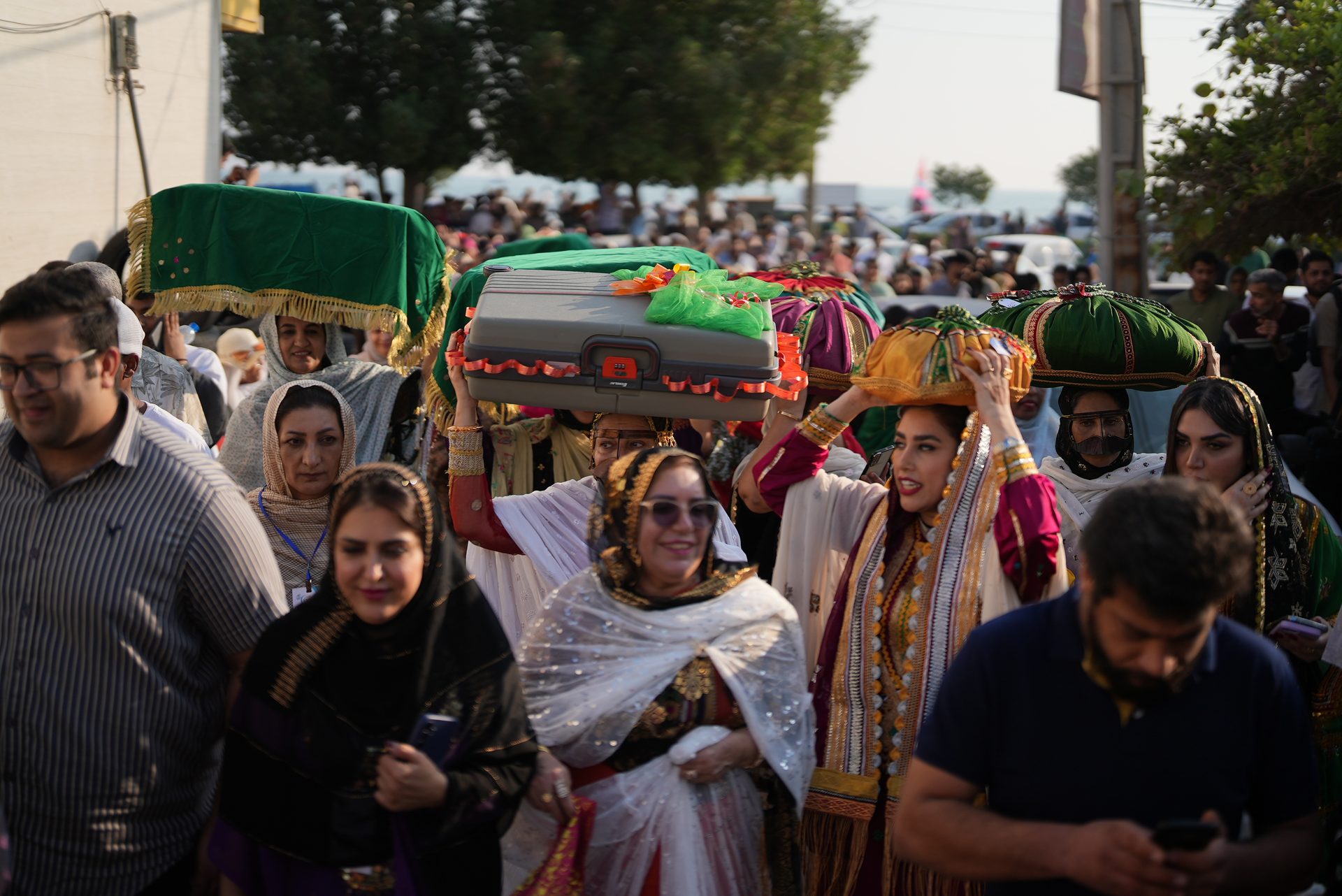
On Thursday and Friday, December 26 and 27, 2024, the historic Khwaja Ata shoreline in Bandar Abbas hosted the 3rd Khwaja Ata Cultural, Sports, and Tourism Festival. Focused on revitalizing coastal lifestyles, honoring seafaring elders, and reconnecting younger generations with the living heritage of the Persian Gulf, this large-scale community gathering achieved an extraordinary celebration of civic vitality and maritime solidarity.
A defining historical milestone for this 3rd edition was its official inscription on the "National Registry of Tourism Events of the Islamic Republic of Iran" under certificate number 20328291 on October 14, 2024. This formal recognition highlights the strategic significance of the Khwaja Ata Festival in safeguarding intangible cultural heritage, advancing sustainable urban tourism, and reinforcing Bandar Abbas as a premier hub of coastal culture in Western Asia.
## National Registry Recognition and Sustainable Event Governance
The official inscription of the Khwaja Ata Festival in Iran's National Tourism Events Registry culminated years of collaborative advocacy by civil society organizations, heritage researchers, maritime elders, and Bandar Abbas municipal authorities. Obtaining certificate number 20328291 ensured that the festival evolved from a localized neighborhood gathering into a recognized regional landmark of sustainable cultural tourism.
By instituting rigorous frameworks for annual monitoring, visitor feedback evaluation, ritual authenticity preservation, and preventing commercial exploitation, the festival set a new benchmark for community-centered event governance in southern Iran.
## Reenactment of Traditional Hormozgani Wedding Ceremonies
One of the most moving and visually captivating segments of the festival was the live open-air reenactment of traditional "Hormozgani Wedding Rituals" along the sands of Khwaja Ata Beach:
- **Henna-Bandan and the Traditional Hejleh (Bridal Chamber)**: Construction of traditional bridal pavilions embellished with multifaceted mirrors, shimmering brocades, and elaborate gold embroidery.
- **Festive Folk Melodies and Ceremonial Instrumentation**: Joyous traditional tunes played on the Jofti double-pipe and Surna, accompanied by the celebratory trilling (Kel) of women adorned in gold-embroidered coastal attire (Badlah-dozi trousers and Khos-dozi veils).
- **Ceremonial Procession with Traditional Litters (Kajaveh)**: A symbolic honoring of ancestral family values, marital dignity, and intergenerational continuity that moved community elders to tears of joy.
This public reenactment offered younger generations an immersive encounter with the rich aesthetics and profound symbolism of southern Iran's family rituals.
## The Splendor of the Razif Seafarers’ Dance and Antiphonal Chants
Along the shoreline, disciplined ranks of veteran fishermen and sailors dressed in crisp traditional white attire performed the ancient "Razif" (Razeef) martial dance. Razif is a cherished shared heritage of Persian Gulf ports, rooted in the courageous ocean voyages of ancestral sailors across the Indian Ocean.
Synchronized rowing motions with supple bamboo canes, coordinated turns facing the sea, and antiphonal responses to the lead vocalist’s ancient sea chants (Sherveh and Neym) created an awe-inspiring performance. The booming cadence of local skin drums (Dohol Gap and Kaser), matching the rhythm of the incoming tide, immersed Khwaja Ata Beach in historical nostalgia.
## Beach Athletic Contests, Traditional Games, and Inter-District Sports
The 3rd Khwaja Ata Festival provided an energetic venue for traditional coastal games and athletic contests that drew enthusiastic participation from across Bandar Abbas:
- **Traditional Wooden Skiff Rowing Races (Hoori Contests)**: High-spirited rowing competitions between veteran fishermen from Khwaja Ata, Suro, Posht-e Shahr, and Nakhl-e Nakhoda.
- **Coastal Lifeguard Competitions and Open-Sea Swimming**: Demonstrations of aquatic stamina and maritime lifesaving readiness by coastal youth.
- **Traditional Dar-Kala, Haft Sang, and Beach Tug-of-War**: Community matches refereed by senior sports figures, filling the beach with laughter and camaraderie.
To trace the ongoing evolution of this festival across years, read our reports on the [4th Khwaja Ata Festival (1404)](/en/news/4th-khwaja-ata-festival-bandar-abbas-1404) and the [2nd Khwaja Ata Festival (1402)](/en/news/2nd-khwaja-ata-festival-bandar-abbas-1402).
## Marine Handicrafts Market, Live Gastronomy, and Women’s Empowerment
Flanking the festival grounds, traditional palm-thatch stalls ("Kapar") showcased the exquisite artisanal creations of Hormozgan’s coastal women:
1. **Marine Shell Crafts and Artisanal Jewelry**: Handcrafted decorative boxes, necklaces, and mosaic panels fashioned from polished coastal shells and sea stones.
2. **Gold Embroidery (Golabton-dozi, Khos-dozi, and Badlah-bafi)**: Delicate needlecraft demonstrating the extraordinary technical skill of local seamstresses.
3. **Live Baking of Regional Flatbreads and Seafood Delicacies**: Freshly baked Tomoshi and Regag flatbreads topped with savory Souragh and Mahyaveh sauces, served alongside spicy fish stews (Qalyieh Mahi).
This bustling market proved instrumental in empowering coastal families economically while demonstrating the commercial vitality of heritage-based micro-enterprises.
To pinpoint Khwaja Ata Beach on our cartographic map, visit our [Interactive Living Heritage Map](/en/map).
## Inter-Neighborhood Solidarity and Civic Cultural Transmission
The 3rd festival built powerful social bridges between Bandar Abbas’s historic coastal districts. Veteran fishermen from Suro, musicians from Nakhl-e Nakhoda, and craftswomen from Posht-e Shahr joined Khwaja Ata residents in an inspiring display of civic unity.
Over 5,000 visitors engaged in direct dialogues with elder captains, ensuring that maritime dialects and fishing lore are actively transmitted to the next generation.
## Youth Educational Outreach and Intergenerational Mentorship
A defining civic success of the 3rd festival was welcoming hundreds of students from regional schools on living heritage study tours. Elder navigators provided hands-on training to youth in marine rope knotting, net repairing, cloud reading, and celestial navigation by the North Star.
These immersive workshops allowed young students to handle authentic navigational tools, sketch traditional wooden boat components, and listen to first-hand accounts of ocean crossings. This direct intergenerational mentorship sparked genuine curiosity among young people for maritime sciences and historic boatbuilding arts.
## Field Documentation of Maritime Work Chants and Ancient Lullabies
A major research milestone of the 3rd festival was the establishment of a dedicated acoustic recording booth for oral folklore. Ethnomusicologists and HCHCA researchers recorded over 30 authentic audio tracks of ancestral seafaring chants ("Neym"), sea-departure laments ("Sherveh"), and traditional maternal lullabies.
This sound archive represents an invaluable ethnomusicological resource, now integrated into national heritage registries and UNESCO documentation dossiers.
## Living Transmission and Coastal Identity Revitalization
The festival demonstrated that living traditions thrive when practiced in their natural marine environment. Beyond an exhibition, the 3rd festival served as an active public classroom where younger generations discovered pride in their maritime ancestry, strengthening community resilience along the southern coastline of Iran.
## Harmonizing Intangible Heritage with Environmental Stewardship
Festival organizers placed environmental ethics at the very center of all activities. Over the two-day event, volunteer teams distributed biodegradable bags and educated visitors on waste sorting, ensuring zero plastic entered the intertidal zone. This ecological awareness underscored that honoring ancestral culture and protecting marine biodiversity are inseparable pillars of sustainable development.
HCHCA extends its deepest appreciation to all master artisans, maritime elders, municipal authorities, and citizens of Bandar Abbas who joined hands to create this unforgettable cultural milestone.
<!-- TODO(owner): Add official attendance census figures and accredited photography archive link for the 3rd festival edition -->
## Community Acknowledgments and Sustainable Future Horizons
The resounding success of the 3rd festival proved that voluntary community engagement is the ultimate safeguard for living traditions. The Hormozgan Cultural Heritage Custodians Association expresses its profound gratitude to all seafaring captains, craftswomen, municipal partners, and citizens whose dedication brought this cultural celebration to life.