
4th Khwaja Ata Festival in Bandar Abbas: A Celebration of Coastal Culture, Sports, and Heritage
The 4th Khwaja Ata Cultural, Sports, and Tourism Festival was held in December 2025 on Bandar Abbas Beach; an officially registered event on the National Tourism Registry (Code 20328291) dedicated to safeguarding seafaring rituals, traditional handicrafts, and indigenous games.
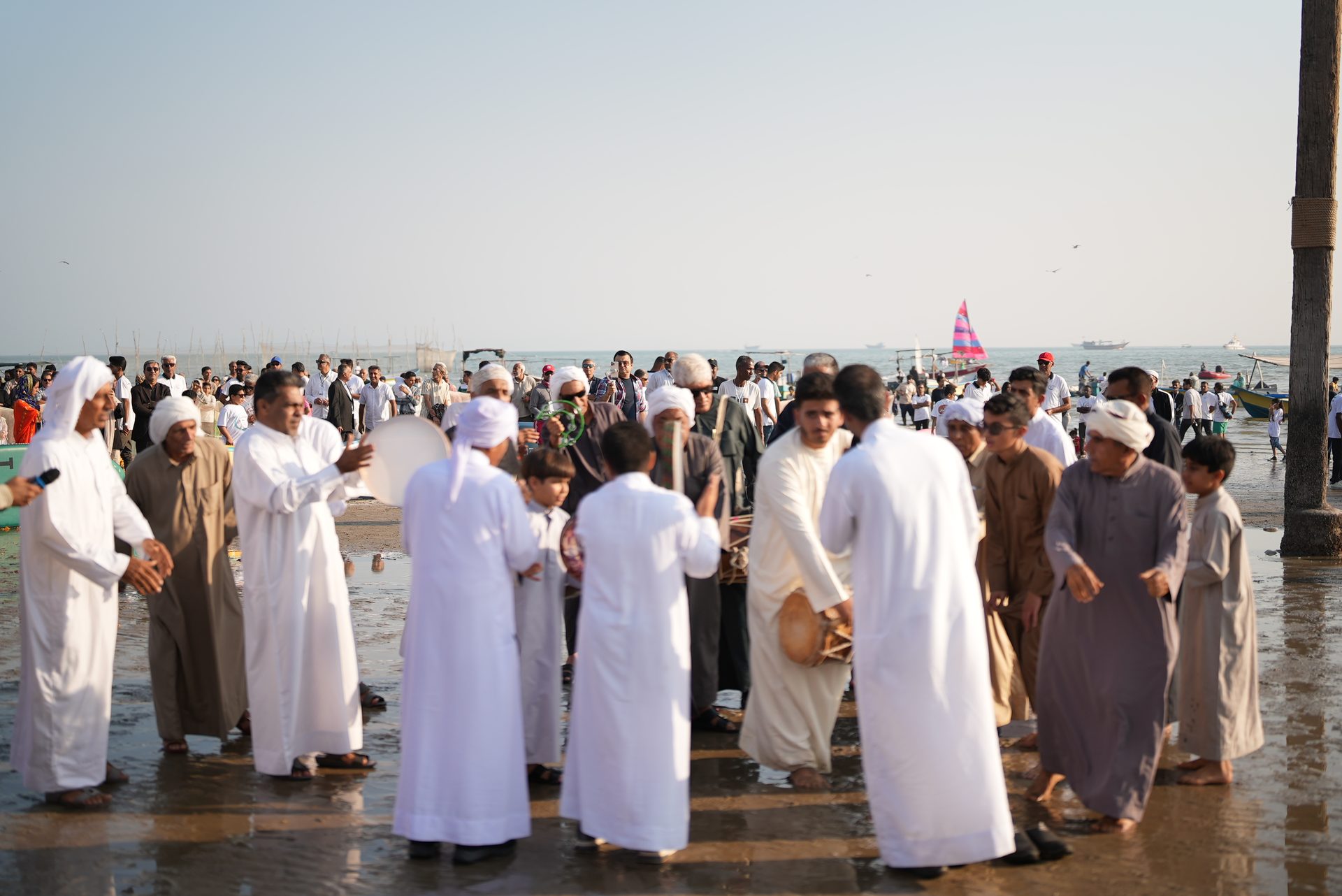
The historic shoreline of Khwaja Ata Beach in Bandar Abbas once again transformed into an exhilarating venue of civic solidarity, collective joy, and deep engagement with southern maritime heritage. The 4th Khwaja Ata Cultural, Sports, and Tourism Festival, officially registered on Iran's National Tourism Events Registry under certificate number 20328291, stands today as one of the most prominent grassroots heritage safeguarding gatherings nationwide. Far beyond a seasonal carnival, this event embodies the cultural resilience of coastal communities determined to preserve the living traditions of their seafaring forebears.
Khwaja Ata neighborhood has historically been the ancestral home of renowned navigators (Nakhodas), artisanal fishermen, and custodians of Persian Gulf oral folklore. Staging this fourth edition in December 2025 with enthusiastic participation from local families, youth, maritime elders, and traditional performers forged a powerful intergenerational bridge, affirming the crucial role of coastal public commons in fostering social well-being and advancing sustainable tourism.
## Historical Roots of Khwaja Ata and Maritime Seafaring Heritage
Khwaja Ata neighborhood represents a foundational cradle of coastal society in Bandar Abbas. Historically, this littoral served as a bustling harbor for wooden Lenj boatbuilding, subsistence net-fishing, and ocean trade connecting the Persian Gulf with Zanzibar, Mombasa, Muscat, and western India. Vernacular houses with traditional windcatchers, narrow alleys opening directly onto the tide, fishing gear workshops, and the rhythmic labor songs of sailors all attest to an intimate bond between human existence and the sea.
This 4th edition answered an urgent community need to revive this collective memory, ensuring that younger generations remain rooted in their heritage despite the rapid pressures of modern urban development.
## Resonance of Seafaring Chants and the Splendor of the Razif Ritual
A pinnacle moment of the festival was the live performance of the ancient "Razif" (Razeef) martial dance by veteran sailors and fishermen. Razif is a cherished shared ritual across Persian Gulf ports, celebrating triumphant returns from perilous oceanic voyages across the Indian Ocean. Dressed in immaculate white garments and holding ceremonial bamboo canes, the performers moved in synchronized rhythm to the booming cadence of Dohol, Kaser, and Peypeh drums, offering an awe-inspiring tribute to human courage and gratitude to the sea.
Alongside the Razif, performances on the Jofti double-pipe and Ney-Anban bagpipe by master musicians, accompanied by antiphonal work chants ("Neym-khani") and traditional sea-departure laments ("Sherveh"), immersed the beach in emotional nostalgia and communal reverence.
## Revival of Indigenous Beach Games and Vernacular Sports
The 4th festival infused the shoreline with athletic dynamism through vibrant traditional sports competitions:
- **Traditional Dar-Kala Game**: An ancient coastal stick-and-sand game testing agility, strategic teamwork, and rapid coordination.
- **Haft Sang and Beach Tug-of-War**: High-spirited inter-district contests that drew loud cheers from hundreds of spectators lining the shore.
- **Open-Water Swimming and Traditional Wooden Canoe (Hoori) Races**: A compelling showcase of maritime balance, physical stamina, and navigation skills against coastal swells.
These traditional competitions reaffirmed the enduring value of physical heritage in building teamwork and cultural belonging.
## Intergenerational Knowledge Transmission Workshops
Dedicated open-air learning pavilions provided hands-on mentorship for children and teenagers:
- **Khos-dozi and Badlah-bafi Needlework**: Learning metallic thread embroidery techniques directly from master matriarchs.
- **Artisanal Net Weaving (Gargoor and Chal Crafting)**: Practical instruction in traditional knotting and sustainable fish trap construction by elder fishermen.
- **Wooden Lenj Boat Modeling**: Introducing young people to traditional naval architecture and carpentry components like the Sokkan (rudder) and Daman (rigging).
## Marine Handicrafts Market, Live Gastronomy, and Women's Entrepreneurship
Flanking the festival grounds, a bustling artisan bazaar was constructed from traditional date-palm thatch pavilions ("Kapar"):
1. **Marine Shell Crafts and Artisanal Jewelry**: Handcrafted decorative items, mosaics, and jewelry fashioned from sea stones and polished shells.
2. **Traditional Textile Arts**: Displays of gold-embroidered Badlah-dozi garments, Khos-dozi veils, and ornate coastal masks (Borqa).
3. **Live Traditional Gastronomy**: On-site baking of Tomoshi and Regag flatbreads seasoned with mineral-rich Mahyaveh and Souragh sauces, alongside aromatic fish stews (Qalyieh Mahi).
To explore the historical background of previous festival editions, review our reports on the [3rd Khwaja Ata Festival (1403)](/en/news/3rd-khwaja-ata-festival-bandar-abbas-1403) and the [2nd Khwaja Ata Festival (1402)](/en/news/2nd-khwaja-ata-festival-bandar-abbas-1402).
## Environmental Stewardship, Beach Cleanup, and Ethical Tourism
A hallmark of this 4th edition was its strong ecological focus. At the conclusion of each day's events, community volunteers, schoolchildren, and HCHCA members united for a "Clean Beach" initiative, collecting all plastic waste along the shoreline. This action demonstrated that safeguarding intangible cultural heritage is inseparable from the preservation of marine ecosystems.
Furthermore, as a [UNESCO-accredited NGO for intangible cultural heritage](/en/news/miras-daran-farhang-hormozgan-unesco), HCHCA emphasized the strict observance of sustainable and ethical tourism standards.
To pinpoint Khwaja Ata Beach on our cartographic overview, visit our [Interactive Living Heritage Map](/en/map).
## Economic Impact and Micro-Enterprise Empowerment
The 4th festival delivered direct economic benefits to neighborhood micro-enterprises. Over 70 artisanal and culinary stalls generated vital household income for women-led cooperatives and young creators. This success proved that heritage-based events serve as powerful engines for sustainable grassroots development.
Moreover, inter-neighborhood collaboration between Suro, Posht-e Shahr, and Nakhl-e Nakhoda established an ongoing cooperative network supporting local home-based handicrafts across Hormozgan.
## Oral History Documentation of Seafaring Veterans
A lasting scholarly outcome of this 4th festival was establishing an on-site recording booth for Persian Gulf maritime history. HCHCA researchers conducted in-depth audiovisual interviews with over 25 retired captains and elder fishermen, capturing rare narratives of oceanic voyages, storm survival strategies, and ancestral seafaring customs.
This comprehensive archiving encompassed traditional nautical vernacular, celestial route maps, sacred sea offerings (Nazr-e Darya), and traditional profit-sharing agreements among crews, creating an indispensable repository for future ethnographic and anthropological scholarship.
## Ethical Stewardship and Safeguarding Living Maritime Memory
The festival's cultural significance lies in empowering local communities to tell their own history. In alignment with UNESCO recommendations on safeguarding intangible cultural heritage, the organizing committee instituted rigorous community-led documentation guidelines. Elder seafaring masters and craftswomen retain full stewardship of their oral traditions, ensuring that cultural revitalization directly enriches the living culture of Persian Gulf coastal settlements.
## Future Horizons and Connection to Global Creative Networks
The 4th Khwaja Ata Festival proved that Hormozgan's indigenous traditions provide a magnificent foundation for civic pride, quality cultural tourism, and community solidarity, consolidating Bandar Abbas's standing within the "UNESCO Creative Cities Network in Crafts and Folk Art".
HCHCA extends heartfelt gratitude to all master practitioners, fishermen, craftswomen, municipal authorities, and citizens of Bandar Abbas whose passion made this milestone possible.
<!-- TODO(owner): Add confirmed dates and registration details for the upcoming 5th Khwaja Ata Festival workshops -->
## Oral History Archives and Community Stewardship
The fourth festival marked an outstanding milestone in documenting southern seafaring oral histories. In direct partnership with elder master navigators and women artisans, researchers recorded extensive audio and video archives capturing ancestral nautical terminology, sea chants, and craftsmanship knowledge for permanent educational and cultural preservation. These living records provide essential educational materials for local schools, universities, and international maritime researchers worldwide.