
Eight Beautiful Beaches of Hormozgan: A Visual Journey Along the Persian Gulf and Sea of Oman
A comprehensive guide and visual journey across eight magnificent coastal jewels of Hormozgan Province—from the sculpted sea cliffs of Parsian and silver sands of Hengam, to the crimson shores of Hormuz and historic beaches of Bandar Abbas, anchored in sustainable travel principles.
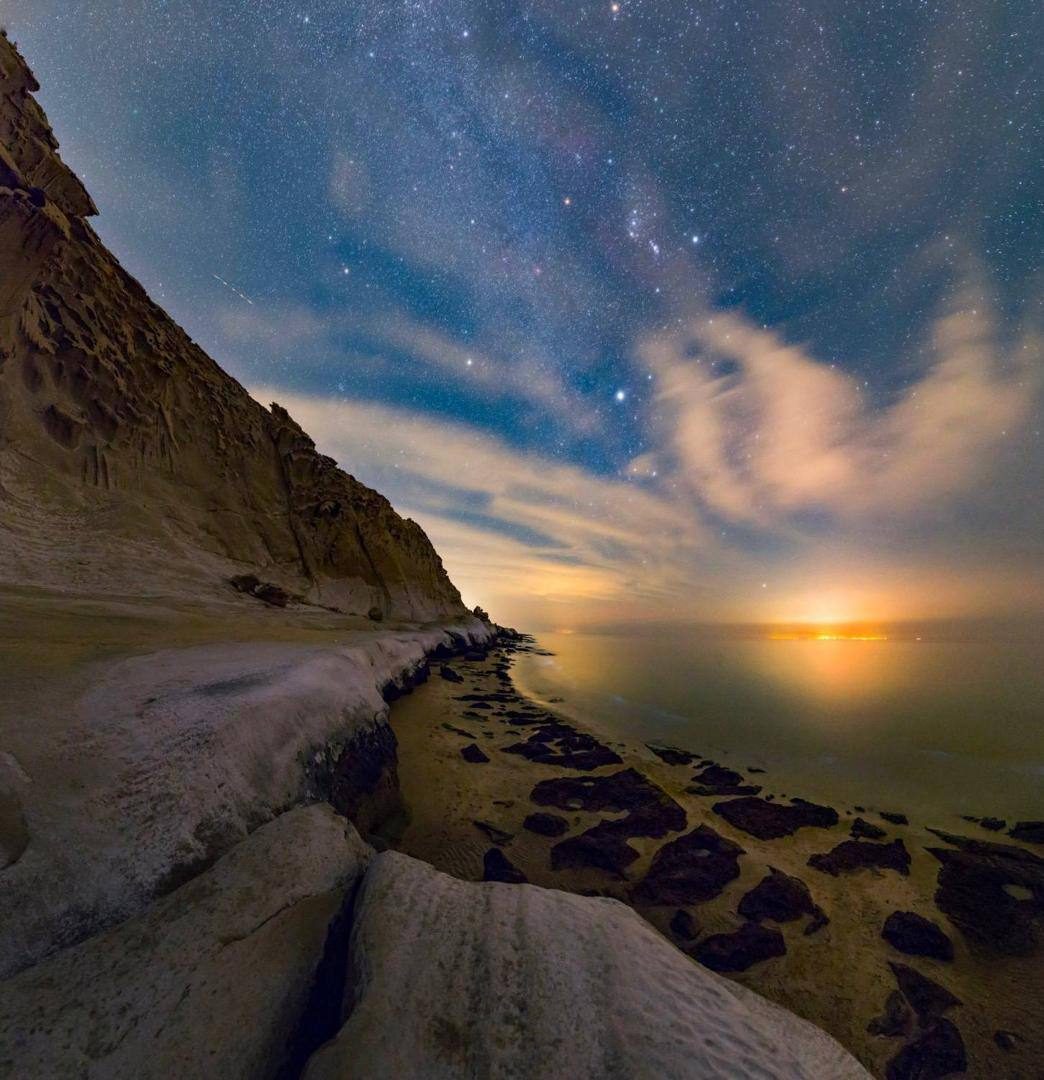
With over a thousand kilometers of shoreline stretching along the Persian Gulf and the Sea of Oman, complemented by 14 iconic islands, Hormozgan Province constitutes the premier marine geotourism and ecotourism paradise in Western Asia. The dramatic diversity of rock strata, mineral sands, turquoise coves, and dynamic ocean swells makes this coastal expanse a dream destination for naturalists, photographers, and ethical travelers.
In this comprehensive guide, we embark on an immersive journey across eight celebrated coastal landscapes of Hormozgan—each presenting a unique masterpiece of geological evolution and coastal heritage.
## 1. Sculpted Sea Cliffs and Turquoise Coves of Parsian (Bostanoo, Moghadan & Dastoor)
In the westernmost reaches of Hormozgan, Parsian county showcases a breathtaking convergence of towering sedimentary cliffs and crystal-clear turquoise waters. Bostanoo Beach features sheer vertical precipices overlooking the gulf, Moghadan Beach boasts golden sandspits, and Dastoor Cove reveals natural wave-cut marine caverns sculpted over millennia.
These pristine shores provide vital nesting habitats for endangered marine turtles and hunting grounds for Western Reef Herons and Ospreys. Walking along the clifftops and peering into the transparent depths reveals schools of reef fish, offering travelers an unforgettable encounter with untouched nature.
## 2. Coral Shores and Historic Harbors of Bandar Lengeh and Bandar Kong
Bandar Lengeh, historically celebrated as the "Bride of Persian Gulf Ports," alongside the historic port town of Bandar Kong, forms the historic epicenter of Persian Gulf seafaring civilization. The coastline here has sheltered wooden trading vessels for centuries behind natural coral reefs and gentle sandbars.
Bandar Kong’s promenade—with its active traditional shipyards (Galgah) and the monumental Boom-e Mesi memorial celebrating epic voyages to East Africa and India—exemplifies the living marriage between coastal nature and maritime craftsmanship. Strolling along the breakwaters at sunset while inhaling the scent of seasoned teakwood transports visitors into the golden age of the Maritime Silk Road.
## 3. Naz Islands and Silver Beach of Qeshm (UNESCO Global Geopark)
Qeshm Island, registered in the UNESCO Global Geoparks network, features extraordinary coastal geomorphology. The Naz Islands on Qeshm’s southern shore represent a rare tidal tombolo phenomenon: during low tide, a natural causeway of golden sand emerges from the sea, allowing visitors to walk nearly one kilometer across the ocean floor to the offshore rocky islets. As high tide rushes in, the sandy causeway disappears, submerging the islands in the sea.
Nearby on Hengam Island, the famous Silver Beach glitters under the moonlight due to mineral quartz flakes and bioluminescent marine phytoplankton, creating a dazzling celestial mirror along the water's edge.
## 4. The Crimson Shore and Rainbow Valley of Hormuz Island (The World’s Geological Museum)
Hormuz Island is internationally revered as a geological wonderland. The iconic Red Beach (Gelak) is carpeted in deep ruby-colored sands composed of iron oxide and hematite minerals. As the waves crash against the shore, the water takes on a rich crimson hue, resembling liquid rubies lapping against the earth.
The mineral-rich sands of Hormuz are also utilized in local gastronomy (the traditional Souragh condiment). Preserving this fragile beach and refraining from collecting or removing colored minerals is a strict ethical obligation for all travelers.
## 5. Dolphin Sanctuary and Crystal Waters of Hengam Island
The sheltered coves and coral bays of Hengam Island constitute one of southern Iran’s most serene marine sanctuaries. Observing pods of Indo-Pacific Bottlenose and Humpback Dolphins leaping freely alongside traditional wooden skiffs, coupled with visiting the beachside crafts market run by local women, offers an inspiring model of community-based ecotourism.
The fringing coral reefs surrounding Hengam provide pristine underwater clarity for ethical snorkeling and marine observation.
## 6. Oceanic Dunes and Desert Coasts of Bandar Jask and the Sea of Oman
In eastern Hormozgan along the Sea of Oman, Jask presents a wild, oceanic coastline facing the open waters of the Indian Ocean. Vast desert sand dunes cascade directly into the surf, where native camels roam the expansive intertidal flats against the rhythmic roar of deep-sea swells.
Cape Jask and the Gabrik coastal cliffs serve as crucial migratory waystations for oceanic seabirds, including Sooty Gulls and Wedge-tailed Shearwaters.
## 7. Serene Wetlands and Mangrove Channels of Bandar Khamir
Bandar Khamir, celebrated as Iran’s first registered "Wetland City," borders the vast [Hara Mangrove Forests](/en/news/world-mangrove-ecosystem-day-hormozgan-hara). The shoreline here is composed of tranquil tidal channels, fertile mudflats, and lush mangrove canopies rather than conventional sand dunes.
These calm waters are ideal for non-motorized kayaking, avifauna photography, and exploring the delicate intertidal balance that underpins the region’s marine ecology.
## 8. Urban Cultural Beaches of Bandar Abbas (Khwaja Ata, Suro & Ghadir)
The city shoreline of Bandar Abbas reflects the dynamic harmony between modern civic life and seafaring traditions. Khwaja Ata Beach (home to the annual coastal festival) and the ancient district of Suro come alive every evening with families, street musicians playing Ney-Anban melodies, beach sports, and open-air seafood stalls.
Bandar Abbas’s beaches demonstrate how urban coastlines can sustain vibrant public spaces while honoring centuries of maritime heritage.
To locate these eight shores on our interactive cartographic canvas, visit our [Interactive Living Heritage Map](/en/map).
## Seasonal Travel Planning and Essential Shore Exploration Gear
The optimal travel window for exploring Hormozgan’s coasts extends from November through early April, when ambient temperatures average between 20°C and 26°C with refreshing sea breezes. During these mild winter months, coastal waters offer supreme transparency for marine life observation and photography.
Key recommendations for responsible explorers:
- **Sun Protection**: Wide-brimmed local palm hats, polarized UV sunglasses, and reef-safe sunscreen that prevents coral bleaching.
- **Protective Water Footwear**: Sturdy water booties and amphibious hiking shoes to protect feet against sharp barnacles, coral rubble, and sea urchins.
- **Sustainable Hydration**: Carrying reusable insulated thermal flasks to eliminate single-use plastic bottle waste across remote island shorelines.
## Ethical Code for Responsible Coastal Travel in Hormozgan
Safeguarding these eight natural wonders requires adherence to the universal "Leave No Trace" principles:
1. **Preserve Substrates and Leave Minerals**: Never remove rocks, shells, fossils, or mineral sands (especially on Hormuz and Hengam); these natural elements are crucial for soil stability and marine habitats.
2. **Waste Management and Packing Out Litter**: Pack out all waste and plastic litter, disposing of it properly in urban municipal facilities.
3. **Nocturnal Dark Skies and Wildlife Protection**: Avoid artificial light pollution on remote island beaches at night to prevent disorienting nesting turtles and birds.
4. **Community Economic Empowerment**: Support local village cooperatives and certified home-stays to ensure tourism revenue directly empowers local conservation efforts.
For more provincial heritage guides, explore our [Cultural Heritage & Tourism Page](/en/heritage-tourism) and read our visual essay on [Remarkable Coastlines of Hormozgan](/en/news/south-means-hormozgans-remarkable-coastlines-to-me).
## Intertidal Ecology and Sustainable Marine Exploration
Exploring these eight remarkable shorelines offers a profound appreciation of the Persian Gulf's unique intertidal habitats. From the delicate coral gardens around offshore islands to the salt-tolerant mangrove estuaries, each coastal environment requires thoughtful conservation and respectful traveler engagement.
<!-- TODO(owner): Update verified GPS landing coordinates and high-tide safety warnings for Jask and Parsian remote coves -->
## Scientific Value and Geological Field Studies
Beyond their breathtaking aesthetic allure, these eight coastal landscapes provide world-class natural laboratories for sedimentologists, marine biologists, and climate researchers studying coastal geomorphology and marine biodiversity conservation along the northern rim of the Indian Ocean.