
South Means Hormozgan’s Remarkable Coastlines to Me
Hormozgan’s coastlines are a living reflection of the connection between the sea, nature, and coastal culture. This visual story presents a glimpse of southern Iran’s natural beauty, where the colors of the sea, the calm of the shore, and coastal life shape Hormozgan’s enduring identity.
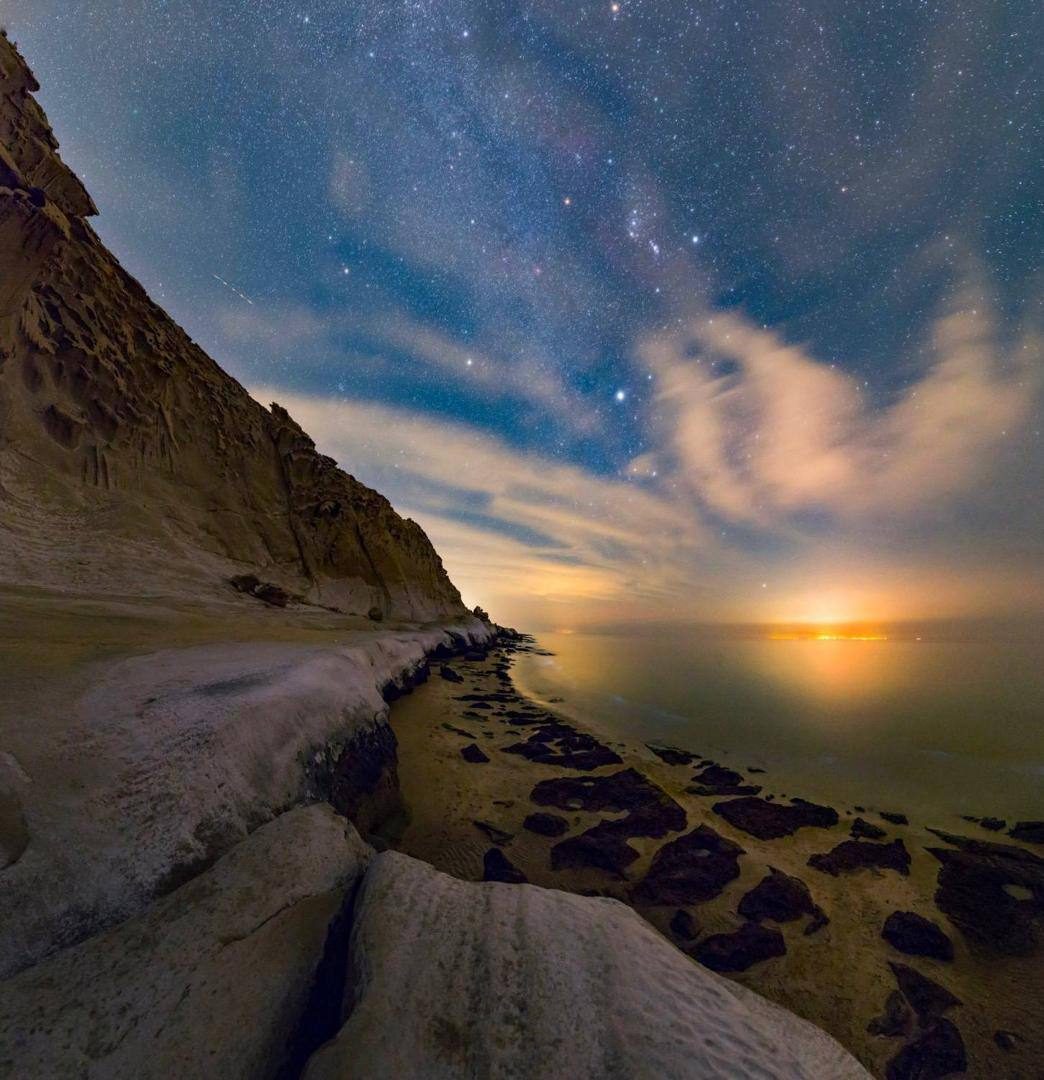
In its deepest essence, the South represents the boundless horizons, sculpted coastal cliffs, and golden sands along the Persian Gulf and Sea of Oman in Hormozgan Province. Here, the sea is never merely an inert geographical feature or a passive visual backdrop; it is the beating heart of daily life, the cradle of collective memory, a fountain of artistic inspiration, and the defining core of coastal identity. Hormozgan’s coastlines—with their breathtaking diversity of geological formations, intertidal mudflats, sheltered coves, and dynamic ocean currents—chronicle thousands of years of human coexistence with southern waters.
Captured through the lens of documentary photographer Amir Shahcheragh, this visual essay is part of the "Story of Southern Authenticity" project—a dedicated artistic endeavor to illuminate the untouched natural splendor, profound tranquility, and cultural dignity of southern Iran, where every dawn begins with the ocean breeze, the fragrance of fishing nets, and the resonant work songs of seafaring elders.
## Coastal Geomorphology and Dynamic Shoreline Environments
Stretching over 1,000 kilometers, Hormozgan’s shoreline represents one of the most dynamic coastal geomorphological zones in Western Asia. It marks the confluence of two distinct marine bodies: the shallow, hyper-saline waters of the Persian Gulf to the west and the deep oceanic expanse of the Sea of Oman to the east, connected through the strategic Strait of Hormuz.
This unique tectonic setting produces towering sedimentary cliffs, dramatic salt diapirs (such as Qeshm’s Namakdan Cave and Hormuz’s salt mountains), elevated marine terraces, and multifaceted mineral beaches ranging from volcanic blacks and hematite reds to crushed coral whites. Centuries of wind and wave erosion have sculpted monumental natural monuments that inspire artists, scientists, and explorers worldwide.
## Visual Symphony of Coastal Geology and Marine Horizons
Hormozgan Province hosts one of the most extraordinary coastal geomorphological landscapes in Western Asia. Stretching over 1,000 kilometers from the pristine sandy bays of Parsian in the far west to the rugged coastal headlands of Jask overlooking the Sea of Oman in the east, each shoreline possesses a distinct and compelling character:
- **Rocky Sea Cliffs and Sculpted Headlands**: In areas like Moghadan, Dastoor, and the crimson headlands of Hormuz, millennia of relentless wave erosion have carved monumental sculptural forms out of sedimentary strata and salt domes, glowing with dramatic warm hues during sunset.
- **Silver and Golden Mineral Sands**: On Hengam, Hormuz, and Qeshm islands, microscopic quartz granules, polished shell fragments, and bioluminescent phytoplankton combine to create luminous shores that sparkle like fields of stars in the night tide.
- **Tidal Mudflats and [Hara Mangrove Forests](/en/news/world-mangrove-ecosystem-day-hormozgan-hara)**: Along the Khamir and Qeshm wetlands, evergreen mangrove trees anchor their roots directly into the sea, presenting a surreal vision of a floating emerald forest.
To explore the exact geographical distribution of these coastal marvels, consult our [Eight Beautiful Beaches of Hormozgan Guide](/en/news/eight-beautiful-beaches-of-hormozgan).
## Coastal Rhythms, Seafaring Traditions, and Maritime Livelihoods
For the people of Hormozgan, the shoreline is the focal intersection of work, spirituality, artistic expression, and community life. Maritime livelihoods are grounded in intimate understanding of celestial navigation, tidal calendars, and prevailing seasonal winds. Every traditional wooden canoe (Hoori) and sailing vessel (Lenj) anchored along the beach embodies decades of seafaring courage, patience, and communal honor.
Southern coastal culture is steeped in intangible heritage rituals: from sea prayer ceremonies before embarking on long voyages, to collective net-hauling traditions (Päreh and Moshta fishing). Coastal women play a central cultural role through exquisite gold-thread embroidery (Golabton-dozi), palm weaving, and masterfully seasoning fresh seafood using ancient maritime spice routes. The beach is the living theater of Hormozgan’s cultural soul.
## Maritime Calendars and Seasonal Winds in Southern Navigation
Comprehending Hormozgan’s coastal culture requires understanding the ancient "Sayyadi (Fishermen’s) Nowruz Calendar" and prevailing monsoon wind regimes. Ancient navigators scheduled oceanic voyages according to seasonal winds:
- **Shomal Wind**: A cool, dry northwesterly winter wind creating powerful swells across the gulf.
- **Qaws Wind**: A humid southeasterly wind bringing seasonal rains and rich marine migrations.
- **Na'shi and Sohayli Winds**: Autumn guide winds emerging with the rise of the Canopus star (Sohayl), signaling the start of epic sailing expeditions to India and Zanzibar.
This profound harmony between celestial navigation, coastal ecology, and daily livelihood showcases human resilience in the Persian Gulf.
## Convergence of Desert and Ocean: Unique Coastal Ecology
One of Hormozgan’s most breathtaking natural wonders is the direct meeting of rolling desert sand dunes with the dynamic surf of the Persian Gulf and the Sea of Oman. In these transitional ecotones, drought-resistant flora—including the Persian Mesquite (Prosopis cineraria), Mangroves (Avicennia marina), and Wild Ziziphus—demonstrate extraordinary evolutionary adaptations to hyper-salinity and arid climates.
These coastal edges serve as critical nesting grounds for critically endangered Hawksbill Sea Turtles, hunting waters for Indo-Pacific Bottlenose Dolphins, and sanctuary stopovers for oceanic migratory birds. Understanding this delicate ecological equilibrium reminds ethical travelers that the visual splendor of southern Iran relies entirely upon the preservation of these living biological cycles.
## Documentary Photography as an Instrument for Heritage Preservation
Amir Shahcheragh’s "Story of Southern Authenticity" demonstrates how visual documentary arts inspire profound public reverence and collective responsibility toward natural heritage. These evocative photographs are not merely historical records for future generations; they are an urgent call to honor the Persian Gulf as a cradle of Iranian maritime civilization.
By eschewing staged artifice, ethical documentary photography captures the authentic lived reality of coastal communities: the weathered hands of veteran fishermen, the bright curiosity of seaside children, and the silent majesty of ancient cliffs. This committed artistic stance transforms the photographer from a detached observer into a dedicated cultural heritage advocate.
HCHCA warmly invites photographers, filmmakers, and cultural chroniclers to collaborate in ethically documenting the tangible and intangible heritage of southern Iran.
## Responsible Ecotourism and Coastal Conservation Principles
The growing appreciation for southern Iran’s coastal beauty underscores the vital necessity of sustainable, community-centered tourism practices. Protecting Hormozgan’s coastlines means safeguarding fragile marine biodiversity, critically endangered Hawksbill turtle nesting grounds, living coral reefs, and the peaceful serenity of host communities.
Core guidelines for responsible coastal exploration include:
1. **Zero Waste and Plastic Prevention**: Plastic bags and cigarette filters persist for decades, entangling marine turtles and seabirds. Ensure no trace of waste is left behind.
2. **Strict Prohibition of Off-Road Vehicles on Sand Dunes**: Driving 4x4 vehicles across intertidal sand compacts nesting substrates, crushing turtle eggs and destroying ghost crab habitats.
3. **Respecting Acoustic and Nocturnal Serenity**: Refrain from playing amplified music on remote beaches to avoid disorienting nocturnal wildlife and nesting seabirds.
4. **Directly Empowering Host Communities**: Purchasing authentic handicrafts directly from local women artisans and booking stays in licensed rural eco-lodges.
To locate these coastal sites and discover nearby heritage monuments, visit our [Interactive Living Heritage Map](/en/map).
## The Open Embrace of the Persian Gulf
Hormozgan’s coastlines await travelers who arrive with reverence, ecological mindfulness, and genuine love for authentic culture. This sea is our home, our memory, and our shared heritage—a timeless trust that we must preserve with utmost integrity for generations to come.
<!-- TODO(owner): Add technical camera metadata (focal length, exposure, location coordinates) for Amir Shahcheragh's original photograph -->