
Hara: The Living Shield of Hormozgan’s Coasts and Green Heritage (World Mangrove Day)
On the occasion of July 26, the International Day for the Conservation of the Mangrove Ecosystem (proclaimed by UNESCO in 2015), we explore the unique Hara mangrove forests of the Persian Gulf and Sea of Oman—where ecology, traditional coastal livelihoods, and natural heritage intertwine.
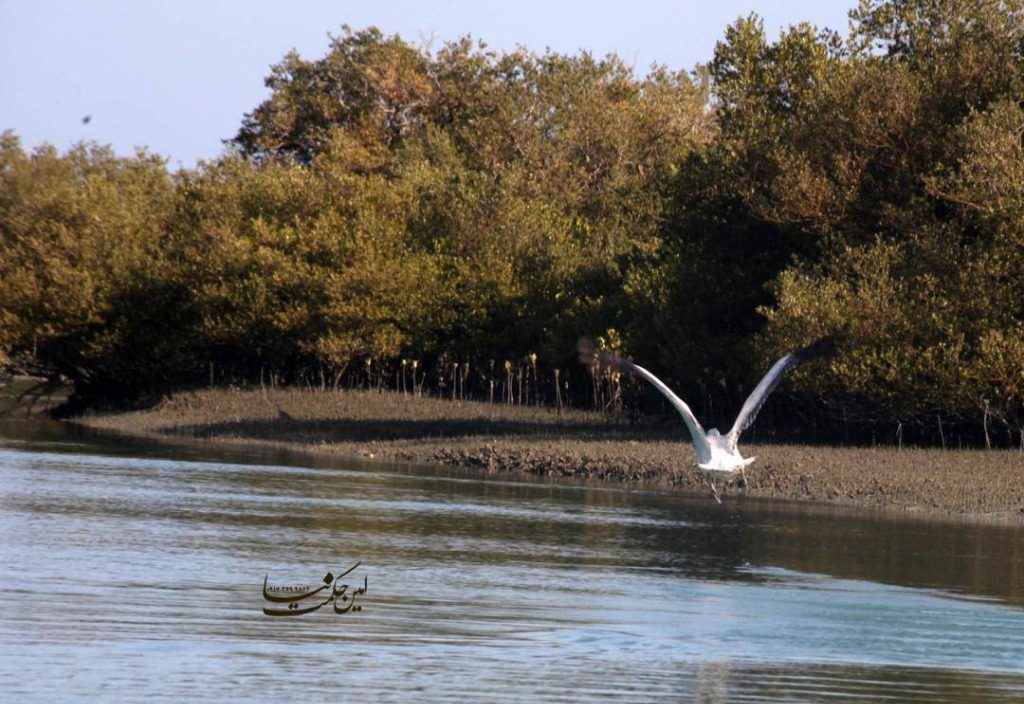
July 26 commemorates the historic adoption of Resolution 66 at the 38th session of the UNESCO General Conference in 2015, which officially established the "International Day for the Conservation of the Mangrove Ecosystem." This designation serves as an urgent global call to protect one of Earth’s most vulnerable, productive, and indispensable biomes. Along the azure shores of the Persian Gulf and the Sea of Oman, Hormozgan Province proudly cradles the most extensive and dense mangrove forests in the Middle East and the Iranian plateau—remarkable trees known as "Hara" (Avicennia marina), standing as living green shields where land and sea merge.
Hormozgan’s mangrove ecosystems are far more than scenic coastal panoramas; they form the ecological backbone of marine life, the vital nursery for Persian Gulf fisheries, a natural bulwark against shoreline erosion, and the living reservoir of ancestral maritime knowledge. Bound to the culture and history of southern Iran, Hara forests epitomize ecological resilience and human harmony with the sea.
## Physiological Marvels and Evolutionary Adaptations of Avicennia Marina
The Hara tree is an evolutionary triumph in coping with hyper-saline, intertidal environments. These evergreen mangrove trees thrive in seawater whose salinity would prove fatal to almost all other plant life. The miraculous biological filtration mechanism in Hara root membranes desalinates ocean water, pumping fresh moisture throughout the tree. The small volume of absorbed salt is subsequently excreted through specialized micro-glands on the leaf surfaces, where the desert sun crystallizes it into glistening white grains.
Another distinctive morphological trait of Hara is its specialized respiratory root system known as "pneumatophores." These pencil-shaped roots rise vertically from the intertidal mudflats into the air, absorbing atmospheric oxygen during low tide. When high tide rolls in, the entire forest floor is submerged, creating the enchanting illusion of an emerald forest floating serenely on the sea—a timeless spectacle that has inspired navigators, poets, and naturalists for centuries.
## Geographic Distribution of Mangrove Habitats Across Hormozgan
Covering over 20,000 hectares along estuaries, tidal creeks (Khors), and river deltas, Hormozgan’s mangrove forests span several world-renowned ecological reserves:
1. **Khowran Strait and UNESCO Global Geopark of Qeshm**: The largest continuous mangrove expanse in the Middle East, located between Qeshm Island and the port of Bandar Khamir, designated as a UNESCO Biosphere Reserve and a Ramsar Wetland of International Importance. Its labyrinthine water channels provide an indispensable sanctuary for migratory waterfowl and Indo-Pacific humpback dolphins.
2. **Bandar Khamir International Wetland and Tiab Estuary**: A globally acclaimed wetland management model in Iran’s first registered "Wetland City," showcasing community-led environmental governance and youth stewardship in Western Asia.
3. **Sirik International Creeks and Azini Wetland**: A rare delta ecosystem at the mouths of the Gaz and Gabrik rivers where two distinct mangrove species—Avicennia marina (Hara) and the endangered Rhizophora mucronata (Chandal)—coexist side by side, recognized by red stilt roots and crimson blossoms.
4. **Western Parsian Shores and Jask Coastal Inlets**: Scattered coastal lagoons from Nayband Bay down to Cape Jask that serve as vital feeding corridors for intertidal waders.
To pinpoint the exact coordinates and access routes to these protected habitats, explore our [Interactive Living Heritage Map](/en/map).
## Mangroves as Vital Blue Carbon Sinks and Climate Regulators
Recent marine scientific assessments confirm that mangrove ecosystems are among the planet’s most efficient "Blue Carbon" reservoirs. The anoxic, waterlogged sediments beneath Hara root systems sequester atmospheric carbon at rates up to five times greater than tropical rainforests, locking carbon securely in sub-surface strata for centuries.
This ecological superpower makes Hormozgan’s mangrove forests a premier regional asset in combating climate change across the Persian Gulf basin. Furthermore, the dense, interwoven thicket of submerged roots forms an unyielding coastal barrier, buffering villages and ports against severe monsoon storm surges, tidal inundations, and shoreline erosion.
## Indigenous Ecological Knowledge and Sustainable Coastal Livelihoods
For generations, Hormozgan’s coastal communities have maintained a harmonious relationship with Hara forests, guided by deep comprehension of tidal dynamics and marine cycles. In local seafaring wisdom, the mangrove forest is revered as the "Nursery of the Sea," because over 80 percent of Persian Gulf commercial fish, tiger prawns, and blue swimming crabs spend their juvenile and larval stages sheltered among Hara root networks.
Traditional fishermen deployed woven palm-fiber traps (Gargoor), hand lines, and wooden skiffs, never violating the sanctuary of breeding grounds during spawning seasons. Furthermore, seasonal winter pruning of Hara foliage by local pastoralists was performed using selective traditional methods that stimulated vibrant new shoots in spring without harming mature trees. This indigenous ecological knowledge represents a vital component of intangible cultural heritage safeguarded by HCHCA.
## Ecological Threats, Climate Impacts, and Safeguarding Initiatives
Despite their evolutionary toughness, mangrove ecosystems remain exceedingly vulnerable to unchecked human disturbances:
- Pollution caused by high-speed motorboat turbulence and marine hydrocarbon runoff.
- Unplanned coastal development along tidal creeks that obstructs natural water exchange.
- Influx of municipal waste, industrial effluents, and floating micro-plastics in estuaries.
- Upstream river impoundment and damming that drastically curtail seasonal freshwater and nutrient inflows.
- Global climate change impacts, ocean acidification, and intensifying monsoon storm surges.
HCHCA’s Natural Heritage Committee collaborates continuously with local grassroots environmental groups to lead school mangrove reforestation projects, plastic clean-up drives, and sustainable boat-operator training workshops across the province.
## Responsible Travel Guidelines for Mangrove Ecotourism
Exploring the mangrove forests by boat offers an immersive experience of tranquility and natural wonder, provided travelers observe core ethical ecotourism guidelines:
1. **Maintain Acoustic Serenity**: Hara forests are nesting grounds for rare avifauna, including the Goliath Heron, Western Reef Heron, Great Egret, Black-necked Stork, and Crab-Plover. Loud music and engine noise disturb breeding colonies and force parent birds to abandon nests.
2. **Observe Slow Boat Speeds**: Excessive boat wakes erode delicate mudbanks and drown low-lying bird nests. Request your local boat captain to navigate at idling speeds through narrow creek channels.
3. **Leave No Trace**: Plastic bags and bottles entangle pneumatophore breathing roots, suffocating ancient trees. Ensure zero waste enters the water.
4. **Do Not Pluck Seedlings or Foliage**: Hara seeds germinate directly on the branches (vivipary) and are primed to root instantly upon dropping into mud. Avoid picking seeds or snapping branches.
To discover complementary pristine coastal destinations in the province, consult our [Eight Beautiful Beaches of Hormozgan Guide](/en/news/eight-beautiful-beaches-of-hormozgan) and visit our [Cultural Heritage & Tourism Page](/en/heritage-tourism).
## A Living Trust for Future Generations
Hormozgan’s mangrove forests embody a thousand-year covenant between water, earth, and indigenous wisdom. Safeguarding these green coastal lungs not only guarantees the vitality of artisanal fisheries, but also provides an unyielding natural fortress against climate extremes. Let us honor and protect this irreplaceable heritage together.
<!-- TODO(owner): Add updated seasonal mangrove reforestation calendar and bird-census figures for Qeshm and Khamir reserves -->
## Marine Conservation Partnerships and Community Vigilance
Safeguarding the mangrove ecosystems of Hormozgan relies heavily on active coastal partnerships between municipal agencies and coastal fishing cooperatives. By establishing participatory monitoring patrols, coastal villagers actively protect breeding waterways from illegal trawling, habitat degradation, and environmental pollution, ensuring the enduring vitality of these emerald forests.